
Currently Empty: £0.00

Carbon Fibre Walking Sticks vs Aluminium Walking Sticks: Which Is Right for You?
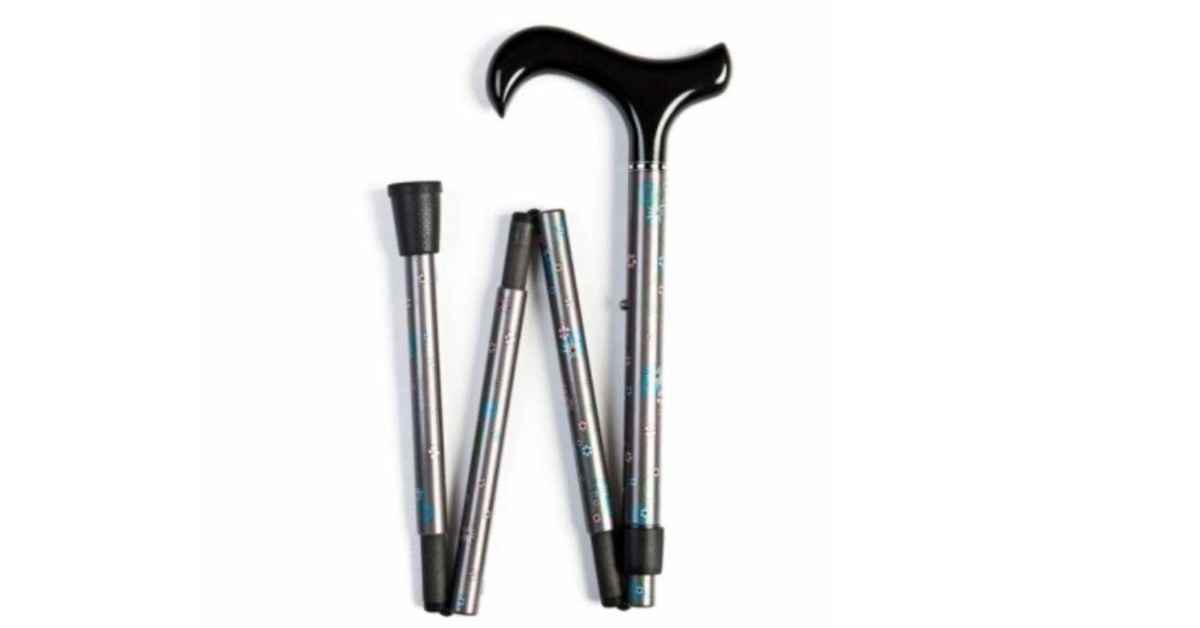
Choosing the right walking stick can make a significant difference to comfort, confidence, and independence. Modern mobility aids have evolved far beyond traditional wooden canes, with lightweight materials now offering better support and usability than ever before.
Two of the most popular options today are carbon fibre walking sticks and aluminium walking sticks. While both provide reliable support, carbon fibre models are increasingly becoming the preferred choice for users looking for enhanced performance and comfort.
In this guide, we’ll explore the key differences, features, and benefits — helping you decide which option best suits your lifestyle and mobility needs.
What Is a Carbon Fibre Walking Stick?
Carbon fibre walking sticks are made from woven carbon strands bonded with resin to create an incredibly strong yet lightweight structure. Originally developed for aerospace and high-performance sports equipment, carbon fibre is now widely used in premium mobility aids.
The result is a walking stick that is exceptionally light, strong, and comfortable for daily use.
Key Benefits of Carbon Fibre Walking Sticks
1. Ultra-Lightweight Design
One of the biggest advantages of carbon fibre is its weight — or lack of it.
Carbon fibre walking sticks are typically significantly lighter than aluminium alternatives, making them ideal for:
- Older adults with reduced strength
- Arthritis sufferers
- Long periods of walking or standing
- Users recovering from injury
A lighter stick reduces arm fatigue and makes lifting, repositioning, and carrying far easier.
Benefit: Less strain on wrists, shoulders, and joints.
2. Exceptional Strength and Stability
Despite being lightweight, carbon fibre is extremely strong. It offers excellent load-bearing capability without adding bulk.
Unlike heavier materials, carbon fibre provides:
- High rigidity for stable support
- Reliable balance assistance
- Confidence on uneven ground
Benefit: Strong support without the feeling of heaviness.
3. Improved Shock Absorption
Carbon fibre naturally absorbs vibration better than metal materials.
When walking on pavements or hard indoor flooring, this means:
- Reduced impact through the hand and wrist
- Greater comfort during extended use
- Less joint discomfort for arthritis users
Benefit: A smoother, more comfortable walking experience.
4. Reduced Fatigue for Everyday Use
Because carbon fibre sticks combine lightness with strength, users often find they can walk longer distances comfortably.
This makes them particularly suitable for:
- Active older adults
- Travel and holidays
- Shopping trips or social outings
Benefit: Encourages mobility and independence.
5. Premium Look and Modern Design
Carbon fibre walking sticks often feature sleek finishes and contemporary styling, offering a more modern alternative to traditional mobility aids.
Many users appreciate mobility equipment that feels discreet and stylish rather than clinical.
Benefit: Confidence both physically and aesthetically.
Aluminium Walking Sticks: The Traditional Alternative
Aluminium walking sticks remain popular due to affordability and durability. They are widely used in healthcare settings and short-term recovery situations.
Advantages of Aluminium Walking Sticks
- Generally lower cost
- Durable and resistant to dents
- Adjustable height options
- Suitable for occasional or temporary use
However, aluminium is heavier and transmits more vibration through the shaft compared with carbon fibre.
Carbon Fibre vs Aluminium Walking Sticks: Side-by-Side Comparison
| Feature | Carbon Fibre Walking Stick | Aluminium Walking Stick |
| Weight | Extremely lightweight | Lightweight but heavier |
| Strength | Very high strength-to-weight ratio | Strong but bulkier |
| Comfort | Excellent shock absorption | More vibration transfer |
| Fatigue | Minimal arm strain | Can cause fatigue over time |
| Appearance | Premium, modern finish | Functional, clinical look |
| Ideal Use | Daily long-term mobility support | Short-term or budget use |
Who Should Choose a Carbon Fibre Walking Stick?
Carbon fibre walking sticks are especially beneficial for:
- People living with arthritis or joint pain
- Older adults wanting lighter mobility support
- Users who walk frequently outdoors
- Anyone seeking a premium, comfortable walking aid
- Individuals wanting to maintain independence with minimal effort
They are particularly valuable for long-term users where comfort and weight make a daily difference.
When Aluminium May Still Be Suitable
An aluminium walking stick may be the right choice if:
- You need a temporary aid during recovery
- Budget is the primary concern
- The stick will be used occasionally rather than daily
Why Material Choice Matters More Than You Think
A walking stick is used repeatedly throughout the day — meaning even small differences in weight and comfort quickly add up.
Many users switching from aluminium to carbon fibre report:
- Less wrist strain
- Easier movement indoors and outdoors
- Greater confidence walking longer distances
Over time, improved comfort can help encourage activity, which plays an important role in maintaining strength, balance, and overall wellbeing.
Explore Carbon Fibre Walking Sticks at Live Well Now
At Live Well Now, we offer a carefully selected range of carbon fibre walking sticks designed to combine lightweight performance, comfort, and reliability. These mobility aids are ideal for users who want dependable support without unnecessary weight.
Whether you’re looking for everyday stability or a more comfortable long-term mobility solution, carbon fibre walking sticks provide a modern upgrade over traditional aluminium designs.
Final Thoughts
Both aluminium and carbon fibre walking sticks provide valuable support — but for users prioritising comfort, reduced fatigue, and everyday usability, carbon fibre stands out as the premium choice.
A lighter walking stick doesn’t just make walking easier — it can help restore confidence, independence, and enjoyment in daily life.
People Also Ask
1. What is the difference between carbon fibre and aluminium walking sticks?
Carbon fibre sticks are lighter, stronger, and absorb shock better than aluminium, making them more comfortable for long-term daily use. Aluminium sticks are durable and budget-friendly but heavier and transmit more vibration.
2. Are carbon fibre walking sticks stronger than aluminium?
Yes. Carbon fibre has a higher strength-to-weight ratio, meaning it can support weight reliably while remaining extremely lightweight.
3. Why is a lightweight walking stick important for elderly users?
A lighter stick reduces strain on wrists, arms, and shoulders, making walking easier and less tiring — particularly for those with arthritis or limited strength.
4. Can carbon fibre walking sticks help with joint pain?
Yes. Carbon fibre’s natural shock absorption reduces impact on wrists, elbows, and shoulders, helping alleviate discomfort during use.
5. Are carbon fibre walking sticks more expensive than aluminium?
They generally cost more due to premium materials and advanced manufacturing, but the increased comfort, durability, and reduced fatigue often justify the investment for regular users.
6. Who should choose a carbon fibre walking stick?
Ideal for daily walkers, active older adults, people with arthritis or joint pain, and anyone looking for a lightweight, strong, and comfortable mobility aid.
7. Are carbon fibre walking sticks suitable for outdoor use?
Absolutely. Their strength, stability, and shock absorption make them excellent for pavements, parks, and uneven surfaces.